

virtuous living : ค้นหาหนังสือธรรมะ หน้า 2 / 3
หน้าหนังสือทั้งหมด
72
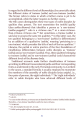
Understanding the Levels of Dhammakāya and Noble Disciples
In regard to the different levels of dhammakāya, the canon talks about the different states of trainees (sekha) and non-trainees (asekha). The former refers to states in which a further course is yet
The text elaborates on the different levels of dhammakāya, categorizing trainees and non-trainees based on their qualities and practices. Trainees are seen as individuals who still have further course
44
The Virtue of Abstaining: Dakhinābhibhānga Sutta
44
The Virtue of Abstaining
6. Dakhinābhibhānga Sutta
One gives a gift to one outside [the Dispensation]
who is free from lust for sensual pleasures;30
this is the eleventh kind of personal offering.
In the Dakhinābhibhānga Sutta, the text discusses the significance of personal offerings in different contexts. It compares giving gifts to various recipients, such as virtuous and immoral individuals
52
Dakkhīnāvibhaga Sutta: The Purity of Offerings
52
The Virtue of Absorbing
6. Dakkhīnāvibhaga Sutta
There is the offering that is purified by the giver, not by the receiver.
There is the offering that is purified by the receiver, not by th
The Dakkhīnāvibhaga Sutta discusses the concept of offering purification by the giver and receiver. It differentiates four types of offerings: purified by the giver, by the receiver, by neither, and b
60
Building Merit and Pure Heart
71. ONLY THOSE WITH A PURE HEART WILL BE WITH ME
A person with a pure heart and a clear mind, one whose focus is on gaining merit, is the only kind of person I want to have in my company. Those with d
This text emphasizes that only individuals with a pure heart and clear mind, focused on gaining merit, belong together. Merely being in good company does not ensure merit; active participation in buil
97
Ten Ways to Perform Good Deeds
Powerless - being jealous in others' success; having ill will
High social standing - being respectful to the virtuous; humble
Low social standing - being arrogant and disrespectful to the virtuous; la
This text outlines ten good deeds that enhance merit, including acts of giving, adherence to moral precepts, and mental cultivation through meditation. It emphasizes the importance of generosity in co
72
Understanding Nirvana and the Path to Enlightenment
Nirvana
Nirvana (Pali, Nibbanna) is the state of ultimate happiness -- the happy condition of enlightenment -- the highest spiritual attainment. This is not the sense-based happiness of everyday life;
…discusses the distinction between happy and unhappy realms based on one's conduct, emphasizing that virtuous living leads to rebirth in blissful realms while evil actions lead to suffering. Central to this understan…
86
The Five Precepts of Buddhism
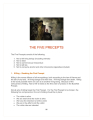
THE FIVE PRECEPTS
The Five Precepts consist of the following:
1. Not to kill living beings (including animals)
2. Not to steal
3. Not to commit sexual misconduct
4. Not to tell lies
5. Not to consume
The Five Precepts in Buddhism outline ethical guidelines for practitioners, emphasizing respect for life among other moral behaviors. The First Precept, which prohibits killing, is noted as the graves

45
การใช้ชีวิตอย่างเรียบง่ายและการปฏิบัติธรรม
มกราคม ๒๕๖๑
Although she is able to speak a little Thai
and Arsa Kalayanamit a little English, having high
patience, kindness, politeness, intelligence and
helpfulness, she has been able to live with
with happiness and understanding. This shows that if everyone intensively follows the Lord Buddha's teachings, we can live peacefully and happily inspite of differences in race, religion, language and

67
การรักษาศีลและสัมมาอาชีวะ
equality and reciprocity, we shouldn't take the
life of any living creature, we shouldn't steal
from or cheat others and we shouldn't commit
adultery.
(ผมเห็นว่าถ้าเราคอยระลึกนึกถึงหลักแห่งความเท่า
เท
adultery. (ผมเห็นว่าถ้าเราคอยระลึกนึกถึงหลักแห่งความเท่า เทียมกัน และการคำนึงถึงอกเขาอกเรา เราก็จะไม่ ปลิดชีวิตสัตว์ทั้งหลาย ไม่ขโมยหรือฉ้อโกง และไม่ ประพฤติผิดประเวณี) commit (v) = การทํา, ประพฤติ B:

43
สายใยแห่งธรรม
หรือการถักทอสายใยเพื่อห่อคลุม และ
Web หรือสายใย ในที่นี้มิได้หมายถึง
ใยแมงมุมแต่หมายถึง The Thread of
Dharma or The Thread of Buddhas
คือ สายใยแห่งธรรมและสายธรรมแห่ง
พุทธะ พุทธะในที่นี้คือพระธรรมกาย
ฉ
หรือการถักทอสายใยเพื่อห่อคลุม และ Web หรือสายใย ในที่นี้มิได้หมายถึง ใยแมงมุมแต่หมายถึง The Thread of Dharma or The Thread of Buddhas คือ สายใยแห่งธรรมและสายธรรมแห่ง พุทธะ พุทธะในที่นี้คือพระธรรมกาย ฉ

176
การทำความดีและผลกรรม
5
"Bhikkhus, my duties that are of benefit and support to
you are now complete. I now wish to remind you that the
nature of all living creatures is impermanence and
degeneration. Thus, you should cont
"Bhikkhus, my duties that are of benefit and support to you are now complete. I now wish to remind you that the nature of all living creatures is impermanence and degeneration. Thus, you should contin
6
Meditative Practices for Inner Peace
To keep thoughts from entering the mind, recite the words 'summa
arahung, summa arahung,' which means the virtuous path toward
freedom from all evils of the mind. Recite the words as if you're
humming
In this meditation practice, recite 'summa arahung' to foster a peaceful mind, allowing thoughts to pass unchallenged. Observe sensations without judgment and embrace feelings of tranquility. End sess
120
Understanding Buddhism and Dhamma for Laypersons
This question has prompted me to study Buddhism seriously, which has given me an understanding of life:
1. Death is not the end. We still have to be reborn indefinitely, as long as we have not rid o
This text delves into the principles of Buddhism, emphasizing the idea of rebirth and the impact of kamma on one’s life. It discusses the existence of hell and heaven based on one's deeds and the dive
59
Raising Children to Be Smart and Virtuous
group. He knows that a tight budget will lead to lower quality
and over budgeting will lead to wastefulness. He must be
honest; corruption for his own or his friends' benefit must not
occur.
Organizat
การจัดการงบประมาณที่มีประสิทธิภาพมีความสำคัญต่อการพัฒนาเด็กให้มีคุณธรรมและความฉลาด ในเนื้อหานี้อธิบายว่าพ่อแม่ควรสอนลูกให้รู้จักการใช้จ่ายอย่างระมัดระวัง และสอนแนวทางที่ดีในการใช้ชีวิตอย่างมีคุณธรรม โ
57
Raising Children: Building Good Habits
Part Two: Raising Children
In order to develop good habits, we must understand two
things:
(1) Heredity plays an important part in developing
virtuous habits. If the parents practice good habits,
even
In nurturing children, both heredity and environment play crucial roles in developing good habits. Parents should embody virtuous behaviors even before conception and continue these practices post-bir
135
Understanding the Importance of Merit in Giving
3. Conscientious donor. The donor should at least abide by the Five Precepts. And it is important that he should be joyful before, during and after the offering, and not feel regret about it.
4. Virt
This text discusses the essential qualities of a conscientious donor and a virtuous recipient within the context of Buddhism, emphasizing the importance of joy in giving and adherence to the Five Prec
7
The Impact of Upbringing on Character Development
One day in first grade, Luang Por brought his best friend to his house. His father asked him what his friend's family name was, and after his friend had left, forbade him to associate or play with tha
This narrative illustrates the importance of a good upbringing as exemplified by Luang Por’s life. His father’s strict but wise teachings shaped his character, guiding him in choosing friends and reso
124
Understanding Dhamma and the Path to Enlightenment
Attaining Dhamma: meditative attainment; a state of absorption in meditation where the mind achieves super insight and knowledge; knowing and seeing according to the truths.
Attaining the Dhammakaya:
This text discusses fundamental Buddhist concepts including Dhamma, a state of meditative attainment leading to super insight, and the Dhammakaya, the Body of Enlightenment. It highlights Buddha's rol
46
Virtuous Deeds and Happiness
46
සතුන් කිරීම
Isaya Muni
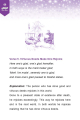
Verse 5. Virtuous Deeds Make One Rejoice
Here one's glad, one's glad hereafter,
in both ways is the merit-maker glad;
Merit I've made, serenely one is glad,
and more one's
මෙහිදී අයෙකුගේ නිතිකතා තුළින් පහළවන්නේ සතුන් කටයුතු කර ඇති අයෙකුගේ සතුටයි. මෙය පසුව යුක්තියට පත් වූ විලාසිතාවන්ට පසු යායමට පිළිතුරු දෙන අතර, රහල ජීවිතයක් ගත කරන්නෙකු ධනවත් වනු ඇත. මෙය ඔහුගේ ජීවිතයට වඩ

59
การจัดการงบประมาณ
group. He knows that a tight budget will lead to lower quality
and over budgeting will lead to wastefulness. He must be
honest; corruption for his own or his friends' benefit must not
occur.
Organizat
group. He knows that a tight budget will lead to lower quality and over budgeting will lead to wastefulness. He must be honest; corruption for his own or his friends' benefit must not occur. Organizat